Milton is full of homes built in the last couple of decades, and a newer house comes with an assumption: it must be well insulated. Then winter comes and the upstairs bedrooms are cold anyway. When that happens, people often reach for the wrong fix first.
Here are the common mistakes, and what to do in place of each.
Don’t assume a newer home is fully insulated. Do check.
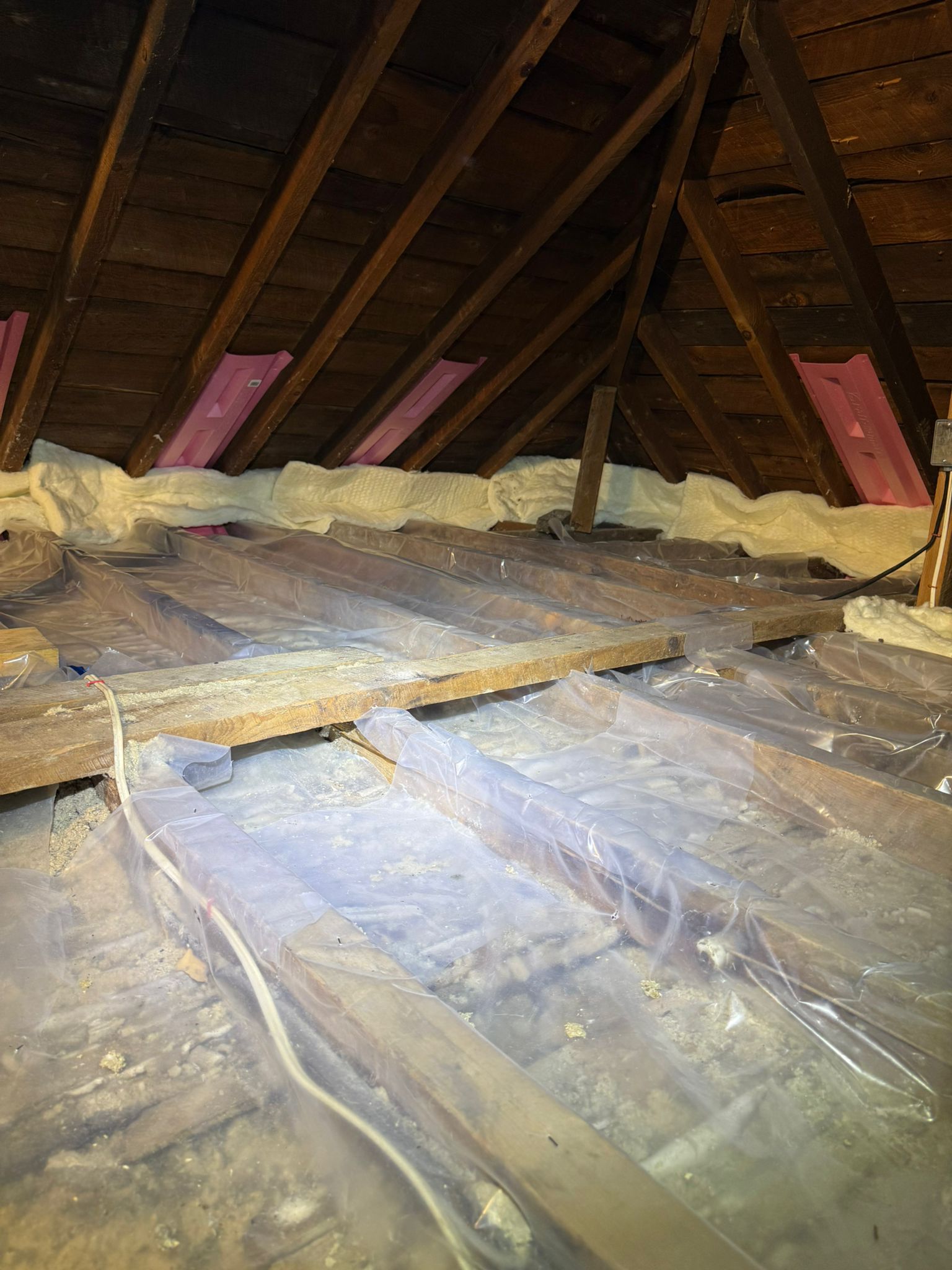
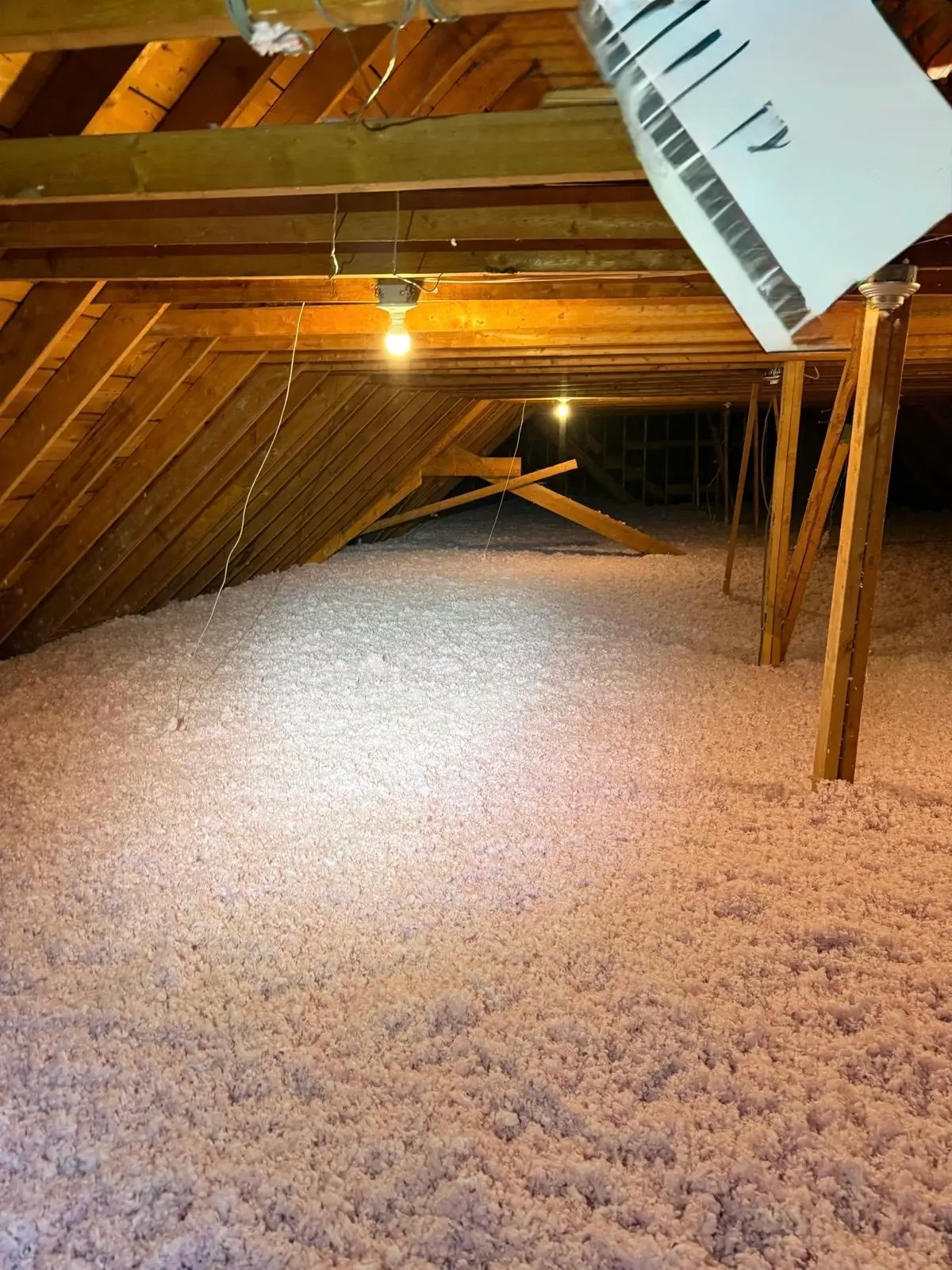
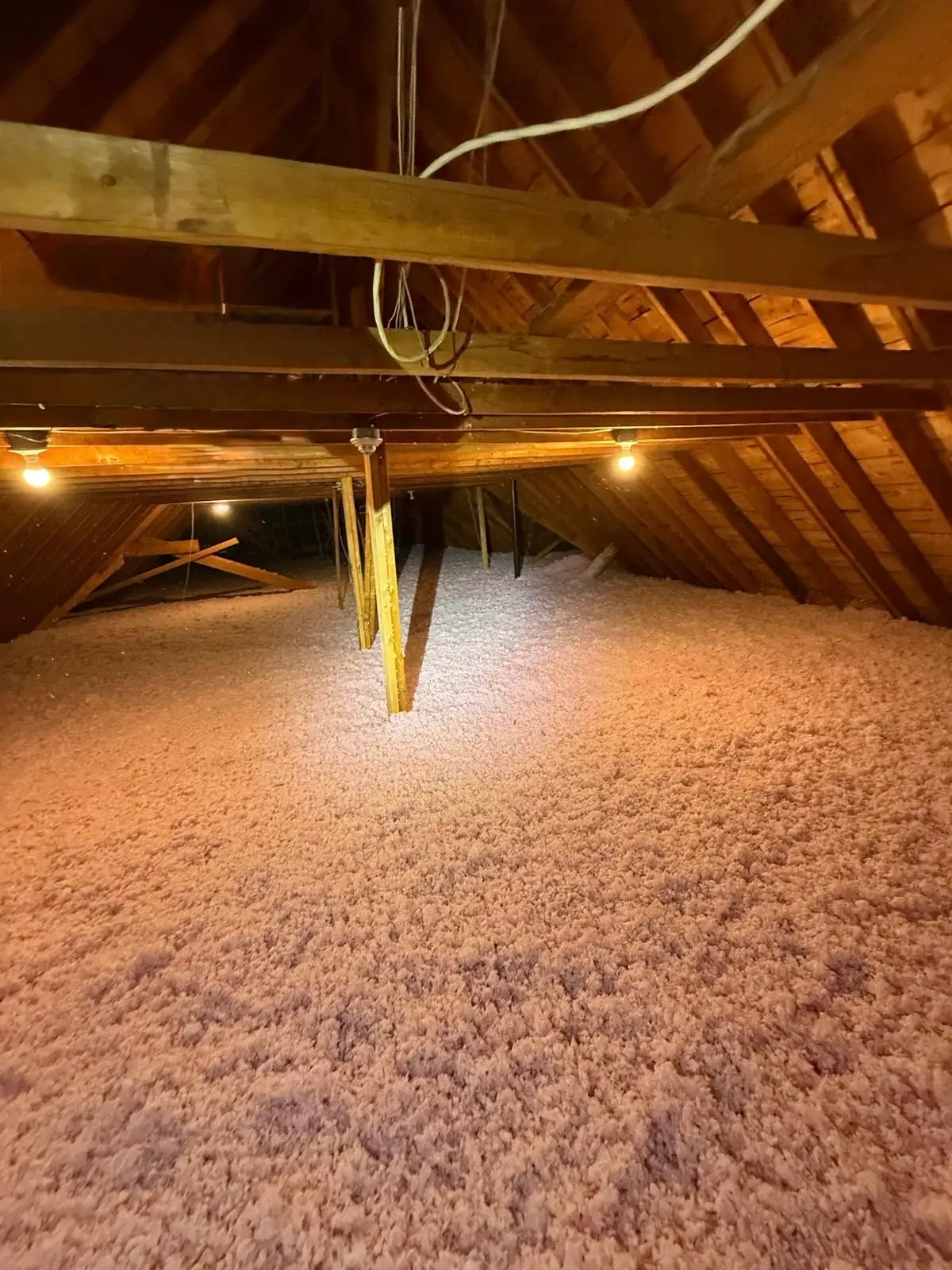
Blown-in insulation can settle, and it gets pushed around by anyone who works in the attic after the insulators leave. A quick look from the hatch tells you a lot. If you can see the joists or the depth is uneven, there is room to improve.
Read why your newer home is already cold upstairs and how to know if your attic needs more insulation.
Don’t turn up the thermostat. Do stop the heat leaving.
Running the furnace harder warms the main floor and leaves the bedrooms much as they were. A top-up through our attic insulation service in Milton, using blown-in cellulose or fibreglass, deals with the cause.
Don’t add insulation over unsealed gaps. Do air seal first.
Natural Resources Canada’s Roofs and attics guide says air leaks around vents, plumbing pipes and electrical boxes can account for substantial heat loss. Newer homes have plenty of pot lights and bathroom fans, and each is an opening in the ceiling. Seal them before the insulation goes down, or use AeroBarrier to seal the whole house.
Don’t block the soffits. Do install baffles.
Piling insulation into the eaves cuts off the airflow that keeps the roof dry. Baffles hold a channel open.
Don’t ignore a musty attic. Do find the moisture.
A bathroom fan that vents into the attic, or a small roof leak, will ruin insulation. If you see dark staining or matted patches, have it looked at. See attic mould and insulation removal in Milton and our removal service.
Don’t blame the furnace for the room over the garage. Do insulate under it.
That room is cold because its floor is above an unheated space. Garage ceiling insulation is the direct fix.
Don’t finish the basement over builder-grade insulation. Do upgrade it first.
Once the drywall is up, improving the walls behind it is expensive. Natural Resources Canada notes that basements can lose more heat than a typical attic, so this is worth getting right. See finishing your builder basement the right way and our spray foam insulation page.
Don’t skip the cheap fixes. Do them this weekend.
- Weatherstrip the attic hatch and exterior doors.
- Caulk around window trim.
- Change the furnace filter.
- Uncover any blocked registers.
Natural Resources Canada’s materials guide lists suitable products.
Don’t assume a newer home cannot get a rebate. Do ask.
Eligibility depends on the program and the work, not only on the age of the house. See does a newer home actually qualify and our energy rebate page.
Don’t expect a guaranteed number. Do expect an improvement.
The U.S. EPA estimates that air sealing and adding insulation in attics, crawl space floors and basements saves an average of 15% on heating and cooling costs (ENERGY STAR). That is a modelled average for typical U.S. homes. A newer, tighter house may see less, and comfort is often the bigger gain.
The takeaway
New is not the same as finished. For more on that, read Milton’s homes are some of the newest in Halton, and that does not mean the attic is fine and when new does not mean right. Then contact us for an estimate.